Pappedeckel: The Ultimate Guide to Sustainable Packaging and SEO in 2026
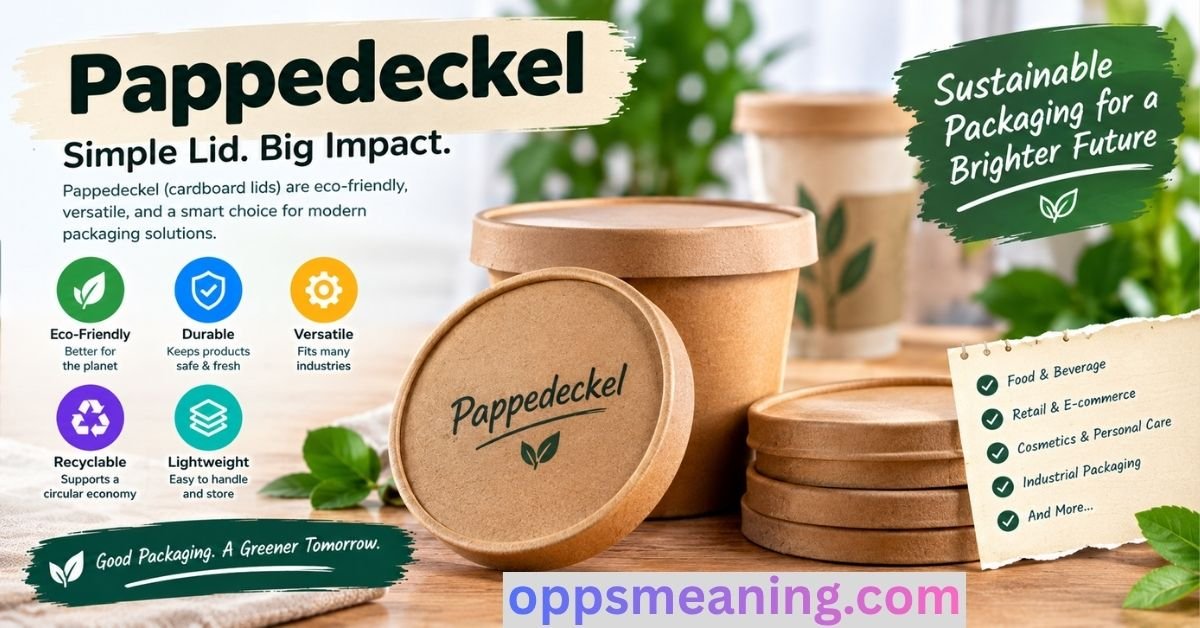
Picture a quick coffee run. You grab your cup, take one sip, and toss the plastic lid in the bin. That lid will outlive you by centuries. Millions more follow it every single day. Cafés, food trucks, and delivery brands now hunt for a smarter fix.
One answer sits in plain sight, and Germans have a word for it: Pappedeckel. This guide covers Pappedeckel packaging from every angle, so you can see why it matters.
Great packaging means little if nobody finds it. That’s why this guide also covers search. You will learn how paper lid packaging fits into a wider move away from plastic.
You will also learn how brands can win search engine rankings with honest, useful content. Think of it as two guides in one. The first shows how paper lids help the planet. The second shows how smart marketing helps those lids reach buyers.
What Is Pappedeckel? Understanding Paper-Based Packaging
Let’s start with the Pappedeckel meaning. The word joins two German terms. “Pappe” means cardboard and “Deckel” means lid. So what is Pappedeckel in plain terms? It’s a cardboard lid. It is an everyday German word and not a patented product or a single brand.
Today the term also works as a handy label for paper lid packaging that covers cups, bowls, tubs, and boxes. You see these lids on takeaway coffee, soup containers, yogurt pots, and salad bowls. They make up a growing slice of paper-based packaging around the world.
The materials vary from lid to lid. Makers use paperboard, kraft paper, and molded fiber. Some lids come from recycled pulp, while others use fresh fiber from certified forests. Here’s the catch. A lid that touches hot liquid often needs a thin barrier layer, because bare paper soaks through fast.
That layer may be a plastic film or a plant-based coating. The choice changes how the lid recycles or composts. Honest brands share this detail. The best eco-friendly paper lids use thin, certified coatings and clear disposal labels. That openness builds trust and supports real plastic waste reduction.
How Does Pappedeckel Work?
Now for how Pappedeckel works in daily use. The lid sits on a cup rim or a container edge. A snug fit, a folded flange, or a small rim groove holds it in place. This stops spills and keeps dust out. It also slows heat loss, which helps hot drinks stay warm longer. Cold items stay fresh because the lid blocks air flow. Many designs include a sip hole or a fold-back tab. Takeaway boxes often use a hinged paperboard top that folds shut. Good paper lid manufacturing relies on precise cutting, pressing, and sealing. Even a tiny flaw in the rim can cause leaks.
What happens after use matters just as much. Clean, uncoated paper lids can go to paper recycling in many regions. Lids with plant-based coatings may suit industrial composting if they carry a proper certificate. Lids with a plastic film may need a special collection. Food residue can also block recycling.
This is where paper lid waste management becomes a real puzzle. A simple life cycle looks like this: fiber is pulped, pressed into a lid, filled with food, used, and then collected. After that it’s either recycled into new fiber or composted into soil. The better the labels, the better the outcome. Recyclable paper lids only work when buyers know where to put them.
Why Pappedeckel Matters in the Fight Against Plastic Waste
Plastic waste has grown into a global headache. The OECD Global Plastics Outlook reports that the world made about 460 million tonnes of plastic in 2019. It also reports that plastic waste reached roughly 353 million tonnes.
Only about 9 percent was recycled. The rest was burned, buried, or leaked into nature. UNEP estimates that 19 to 23 million tonnes spill into lakes, rivers, and seas each year. Those numbers explain why plastic pollution prevention now sits high on many government agendas.
Small items matter more than most people think. A single lid weighs almost nothing. Yet billions of lids add up to mountains of litter. Lids also escape easily because they’re light and flat, so wind carries them into drains and waterways. Swapping them for green packaging alternatives is one of the easiest steps a business can take. The table below sums up the scale of the problem with sourced facts.
| Topic | Key Fact | Source |
| Plastic production (2019) | About 460 million tonnes made worldwide | OECD |
| Plastic waste (2019) | About 353 million tonnes generated | OECD |
| Recycling rate | Only about 9 percent recycled | OECD |
| Leakage into water | 19 to 23 million tonnes per year | UNEP |
| Ocean surface plastic | About 5.25 trillion pieces afloat | PLOS ONE study |
Key Environmental Benefits of Pappedeckel
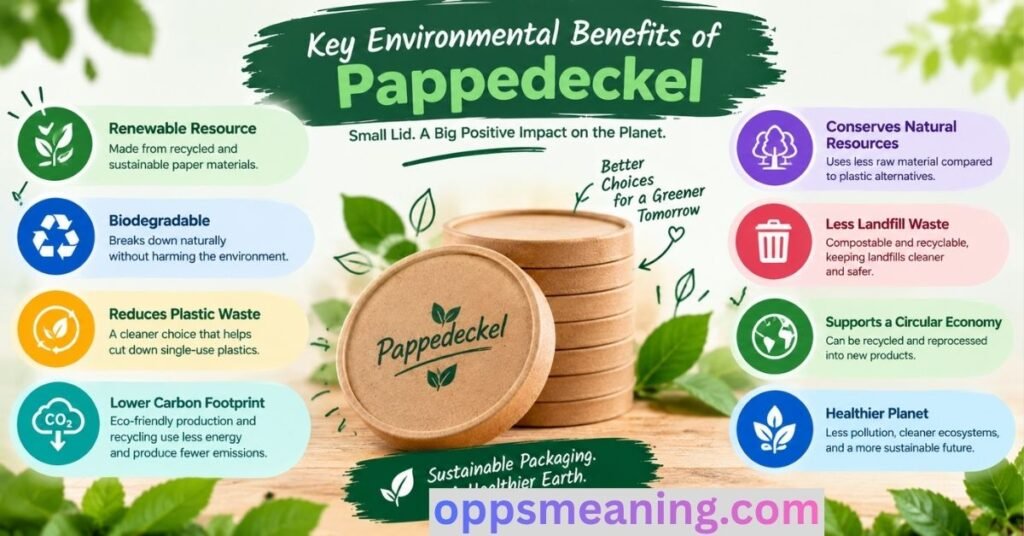
The Pappedeckel environmental benefits reach well beyond the bin. Paper lids start as plant fiber, which is a renewable resource. Plastic lids start as oil or gas. That difference shapes the entire environmental impact of paper packaging.
Forests that are managed well can regrow, and recycled pulp keeps old fiber in use. Paper also tends to break down faster than plastic if it ends up in nature. However, results depend on coatings, certificates, and local waste systems. No lid is perfect. The goal is a clear gain over plastic.
Rules around the world are shifting too. The European Union’s Single-Use Plastics Directive already targets plastic beverage cups and their lids. Its newer packaging rules push the whole market toward reuse and recycling. Many other countries are moving the same way. Because of this, sustainable packaging market growth looks strong. The five benefits below show why paper lid benefits go beyond a green image.
1. A More Sustainable Alternative to Plastic
Paper lids lean on renewable fiber instead of fossil fuel. That cuts oil use at the very start of the chain. Many mills also run on biomass energy and recycle their own water. This is why paper lids as an alternative to plastic attract so many food brands.
The gain grows when the fiber comes from certified forests or recycled sources. Look for marks from groups such as FSC or PEFC. Still, honest brands avoid overclaiming. A lid with a plastic film is better described as “paper-based” and not “plastic-free.” Clear wording protects trust and keeps the benefit real. These sustainable packaging solutions work best when sourcing and design both stay transparent.
2. Biodegradable and Eco-Friendly Materials
Plant fibers feed soil microbes. That’s why paper breaks down far faster than plastic. Yet “biodegradable” is a loose word. A lid may rot in a hot industrial composter but not in a backyard heap. Certificates such as EN 13432 in Europe prove that a product breaks down under set conditions.
Smart buyers ask for that proof. Good biodegradable packaging materials also use water-based coatings and plant starch barriers. These eco-friendly packaging materials can turn into compost within weeks under the right setup. Shoppers should still check the label. It tells you whether the lid belongs in the compost bin or the paper bin. Fine print matters here.
3. Reduced Plastic Pollution
Every plastic lid replaced is one less piece that could drift into a river. Plastic breaks into microplastics and never truly disappears. Paper fibers behave differently. They soften, split, and return to the natural cycle. This helps cities that struggle with street litter. It also helps coastal towns that pay for beach cleanups. Plastic-free packaging can’t fix the whole crisis alone. Still, it removes a steady stream of waste at the source. That’s the heart of plastic pollution prevention. Prevention costs far less than cleanup. A lid that never becomes litter saves money for councils and wildlife alike.
Read More About: MenBoosterMark Software Program: Features, Benefits, and Complete Guide (2026)
4. Safe and Practical Packaging Solutions
A lid must do its job before it does anything green. It has to seal well and resist heat. It also has to stay food-safe. Quality paperboard lids pass migration tests, which check that no harmful substances move into food. They also hold their shape under steam. Strong ribs and folded rims add grip. For busy cafés, stackability matters too. Lids that nest neatly save storage space and speed up service. Sustainable food packaging earns its place only when staff and customers find it easy to use. Brands should test lids with real drinks before a full rollout. A leaky lid costs more than any carbon saving.
5. Building Consumer Trust Through Sustainable Packaging
Shoppers notice what’s in their hands. A paper lid sends a clear signal that a brand cares. Rising sustainable packaging consumer awareness means buyers now check labels and ask questions.
They reward honest brands and punish false claims. The FTC Green Guides warn against vague words like “eco-safe” without proof. So brands should back each claim with a certificate or a test result. Smart eco-conscious packaging also tells a story. A short note on the lid about its material and disposal steps works wonders. Trust grows when words and actions match.
Pappedeckel SEO: How to Improve Online Visibility
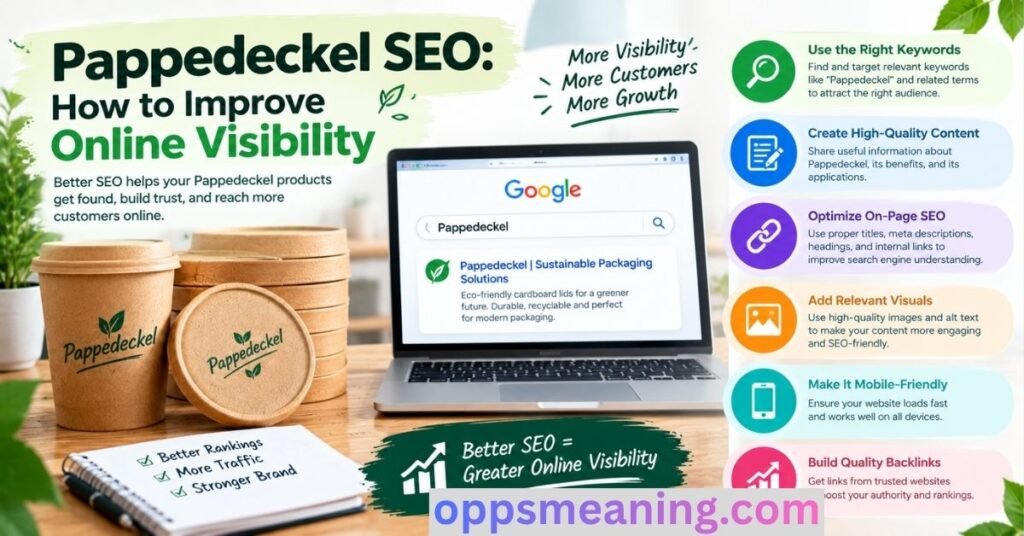
A great lid still needs buyers. Most packaging purchases begin with a search. A café owner types a question into Google. A procurement manager compares suppliers on a laptop. If your site doesn’t show up, you lose the sale before the talk begins. This is where Pappedeckel SEO strategy enters the picture. It links your product to the people who need it. Good sustainable packaging SEO turns green values into real leads.
The goal is simple. You want the right buyer to find the right page at the right moment. That takes research, helpful content, and a fast site. It also takes patience, because search results build slowly. Think of SEO like planting a tree. You water it every week and wait for shade. The sections below break the process into clear steps for packaging business SEO. Each step works for a small startup or a large factory.
Why Packaging Businesses Need SEO
Packaging is a business-to-business world. Buyers compare prices, materials, and minimum orders before they ever call you. Most of that research happens online. SEO for eco-friendly packaging businesses puts your pages in front of those buyers at the exact moment they search. It also builds organic traffic for packaging websites, which costs far less than paid ads over time.
Strong search visibility for sustainable products also helps you stand apart from cheap plastic sellers. A buyer who reads your guide on compostable lids already trusts you. That trust shortens the sales cycle. Add the fact that packaging industry digital marketing is crowded with weak content, and the opportunity grows. Clear, honest pages win.
Key Elements of an Effective Pappedeckel SEO Strategy
A winning plan rests on four pillars. You need smart research, helpful content, sharp product pages, and a smooth site. Each pillar supports the others. Weak research leads to weak content. Weak content wastes a fast site. Treat them as one system. The four parts below show how to build each pillar in plain steps.
Keyword Research for Sustainable Packaging
Start with keyword research for packaging brands. List the phrases your buyers type. Examples include “compostable cup lids wholesale” and “paper lids for hot drinks.” Use a tool to check monthly searches and difficulty. Then study search intent for packaging products. Some searchers want facts, while others want a quote. Match each page to one clear intent.
Creating Helpful and Relevant Content
Google rewards content made for people first. Its guidance on helpful content stresses real expertise and original value. Content marketing for packaging brands works best with guides, comparisons, and case studies. Share test results and real photos. Answer the questions buyers ask on sales calls.
Optimizing Product and Service Pages
Your packaging product pages are where visitors decide. List size, material, coating, certificates, and minimum order. Add sharp photos and a clear quote button. Use structured data so search engines read your specs. Keep each page focused on one product family.
Improving Website User Experience
Good website user experience keeps visitors on your page. Make menus simple and text easy to read. Place calls to action where eyes land. Build mobile-friendly packaging websites, because many buyers browse on phones. Slow or confusing pages push people away. A calm, clear layout earns longer visits and more inquiries.
Read More About: American Fashion Alaikas Com: The Complete USA Shopper’s Guide to Smarter Style (2026)
On-Page SEO Strategies for Packaging Brands
On-page SEO optimization covers everything you control on the page itself. Start with the title tag, which should hold your main phrase and fit about 60 characters. Write a meta description that promises a clear benefit. Use one H1 per page and break the text with logical H2 and H3 headings.
Add internal links so related pages support each other. For example, link a lid product page to your composting guide. Write an image alt text that describes each photo in plain words. Keep paragraphs short and scannable. Most important, write for humans first. Stuffing keywords makes text clumsy and can hurt rankings. Smooth, natural packaging website optimization wins in the long run. Review each page every quarter and refresh any dated facts.
Technical SEO for Packaging Websites
Technical SEO for packaging websites keeps the engine running under the hood. Search engines must crawl and understand your pages before they can rank them. Submit an XML sitemap and fix broken links. Use clean URLs and secure HTTPS. Google also measures page experience through Core Web Vitals, which track loading speed, responsiveness, and visual stability.
Compress large product photos, since heavy images slow down many packaging sites. Google now indexes the mobile version of your site first, so mobile design matters. Add structured data for products, FAQs, and your organization. Test pages in PageSpeed Insights and fix the biggest issues first. A fast, tidy site gives every other SEO task a firm base.
Off-Page SEO and Link-Building Strategies
Off-page work builds your reputation across the web. Link building for packaging companies means earning links from trusted sites. Good sources include industry directories, trade magazines, and sustainability blogs. Offer useful data, such as a lid composting test, and let others cite it. Partner with suppliers and café chains for guest articles and joint case studies. Sponsor a local cleanup and share the story with the press.
Quality beats quantity every time. One link from a respected trade site outweighs fifty from random directories. Avoid buying links, because Google’s spam policies can punish it. Honest outreach builds slow but lasting search engine rankings. This is also the heart of ethical SEO practices.
Common Pappedeckel SEO Mistakes to Avoid
Many packaging sites fall into the same traps. The first is keyword stuffing, which makes pages awkward and untrustworthy. The second is thin product pages with a photo and one line of text. Buyers need specs and proof.
The third is vague green claims. Words like “100% eco” without evidence invite complaints and lost trust. The fourth is ignoring mobile users. The fifth is copying supplier text word for word, which creates duplicate content. Others forget to track results, so they never learn what works. Skipping ethical SEO practices may bring quick gains but often ends in penalties. Slow and honest work wins this race. Fix one mistake at a time and measure the change.
Essential SEO Tools for Packaging Businesses
You don’t need a huge budget to start. Many SEO tools for businesses offer free plans. The table below lists reliable options and the best use for each. Pick two or three and learn them well. A tool only helps when you act on what it shows. Check your data monthly and set clear goals. Over time, these numbers will show which pages earn leads and which need work.
| Tool | Main Purpose | Best Use for Packaging Brands |
| Google Search Console | Tracks search performance and indexing errors | Spot which lid-related queries bring clicks |
| Google Analytics | Measures visitor behavior | See which product pages drive quote requests |
| PageSpeed Insights | Tests speed and Core Web Vitals | Fix slow, image-heavy product pages |
| Google Keyword Planner | Finds keyword ideas and volumes | Build a list of buyer search terms |
| Screaming Frog | Crawls sites for technical errors | Find broken links and missing titles |
Examples of SEO Strategies for Sustainable Packaging Brands
The examples below are illustrative scenarios and not real company reports. They show how sustainable packaging companies can apply the steps above. In the first scenario, a small lid maker builds a content hub. It publishes a guide to composting, a comparison of lid materials, and a certificate explainer.
Each article links to product pages. Over months, organic traffic for packaging websites like this one tends to grow as the hub earns trust. In the second scenario, a regional supplier creates landing pages for each city it serves. Each page lists local delivery times and café testimonials.
This captures buyers who search with a place name. In the third scenario, a brand leads with proof. It publishes a certification page with test reports and clear disposal steps. Buyers who worry about greenwashing find answers fast. All three scenarios share one trait. They solve real buyer questions with honest, specific content. That’s eco-friendly product marketing at its best.
The Future of Pappedeckel and Sustainable Packaging

The future of paper-based packaging looks bright and busy. Researchers are testing new fiber blends from bamboo, sugarcane waste, and wheat straw. Labs are also developing water-based barrier coatings that resist heat without plastic.
Such sustainable packaging innovations could solve today’s biggest weakness: the lining. Smarter molds will produce stronger lids with less material. Digital printing will let small cafés order branded lids in short runs. Regulation will push progress too. Europe’s packaging rules and similar laws elsewhere reward recyclable design.
These sustainable packaging trends point toward lighter, cleaner, and simpler lids. Expect more recyclable packaging materials on shelves each year. The paper packaging industry will keep investing as demand rises.
Read More About: DreamWithJeff com Review: Ultimate Guide to Features, Benefits & Is It Legit? (2026)
Search habits will change alongside the products. Buyers now ask detailed questions, and AI-powered search tools summarize answers. Brands that publish clear, trustworthy facts will earn more mentions and more clicks. Voice and visual search will also grow. So search visibility for sustainable products will depend on structured data, strong reviews, and genuine expertise.
Demand should keep rising as sustainable packaging consumer awareness spreads. Brands that combine proven materials with honest marketing will lead the pack. Those that rely on loose green slogans will lose ground. The lesson is plain. Do the real work and then show it clearly.
Frequently Asked Questions
What Is Pappedeckel?
Pappedeckel is a German word that means “cardboard lid.” It joins “Pappe” for cardboard and “Deckel” for lid. People use it to describe paper lids that cover cups, bowls, and food boxes. It is a common word and not a single brand or patented product.
How Does Pappedeckel Work?
A paper lid sits on a container rim and holds in place through a snug fit or a folded edge. It blocks spills, keeps out dust, and helps hold heat. After use, it goes to recycling or composting based on its coating and local rules. Always check the label first.
What Are the Main Benefits of Pappedeckel?
Paper lids use renewable fiber and can cut plastic waste. They suit recycling or composting when properly designed. They also help brands show care for the planet and earn customer trust. Benefits depend on coatings, certificates, and local waste systems.
Is Pappedeckel Better for the Environment Than Plastic?
Often yes, but not always. Paper comes from renewable sources and usually breaks down faster than plastic. However, plastic-lined paper can be hard to recycle. Lids with certified compostable or recyclable coatings give the clearest gain. A full life cycle check gives the best answer.
How Can Packaging Businesses Improve Their SEO?
Start with keyword research and match each page to one search intent. Publish helpful guides and detailed product pages. Make the site fast and mobile-friendly. Earn links from trusted industry sources. Track results in free tools like Google Search Console and adjust each month.
Is Pappedeckel Biodegradable?
Plain paperboard is biodegradable and breaks down in soil or compost. Coatings change the picture. Plastic films slow or block breakdown, while plant-based coatings can compost under the right conditions. Look for certificates like EN 13432 and follow the disposal steps on the label.
Conclusion
Plastic lids create waste that lingers for centuries. Pappedeckel packaging offers a practical way to cut that waste. It uses renewable fiber and fits many food and drink uses. It also supports plastic waste reduction and builds trust with shoppers. Still, honesty matters. Coatings, certificates, and local recycling rules decide how green a lid truly is. The best environmentally friendly packaging comes with clear labels and proven claims. Choose lids that match your local waste system.
The second half of the story is visibility. A strong product needs strong discovery. Smart keyword research, helpful content, fast pages, and fair link building all raise your reach. Together they turn Pappedeckel environmental benefits into real orders. Start small. Pick one product page and improve it this week. Then add one helpful article each month. Steady steps beat big promises. Your lids can help the planet, and your website can help buyers find them.

Ethan Brooks is a language writer who shares simple explanations of word meanings, grammar, phrases, slang, and everyday expressions. His goal is to make confusing language easy to understand with clear and helpful information.